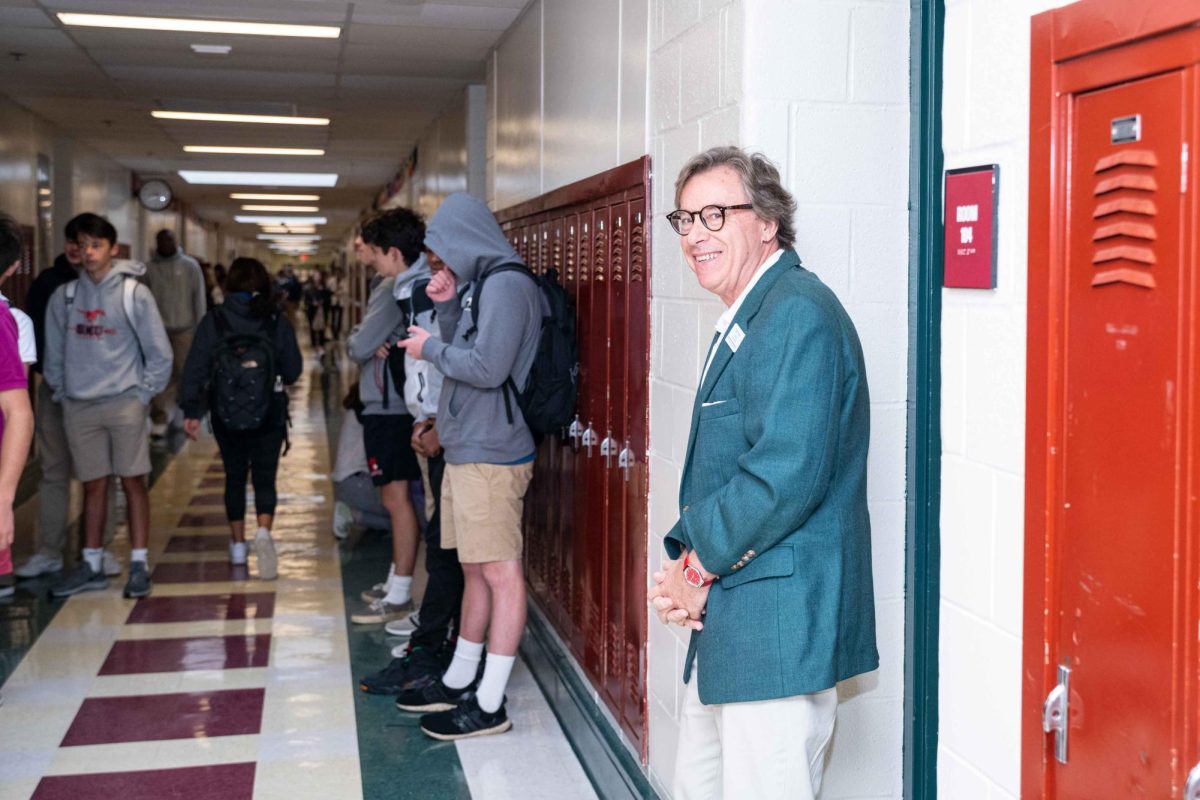








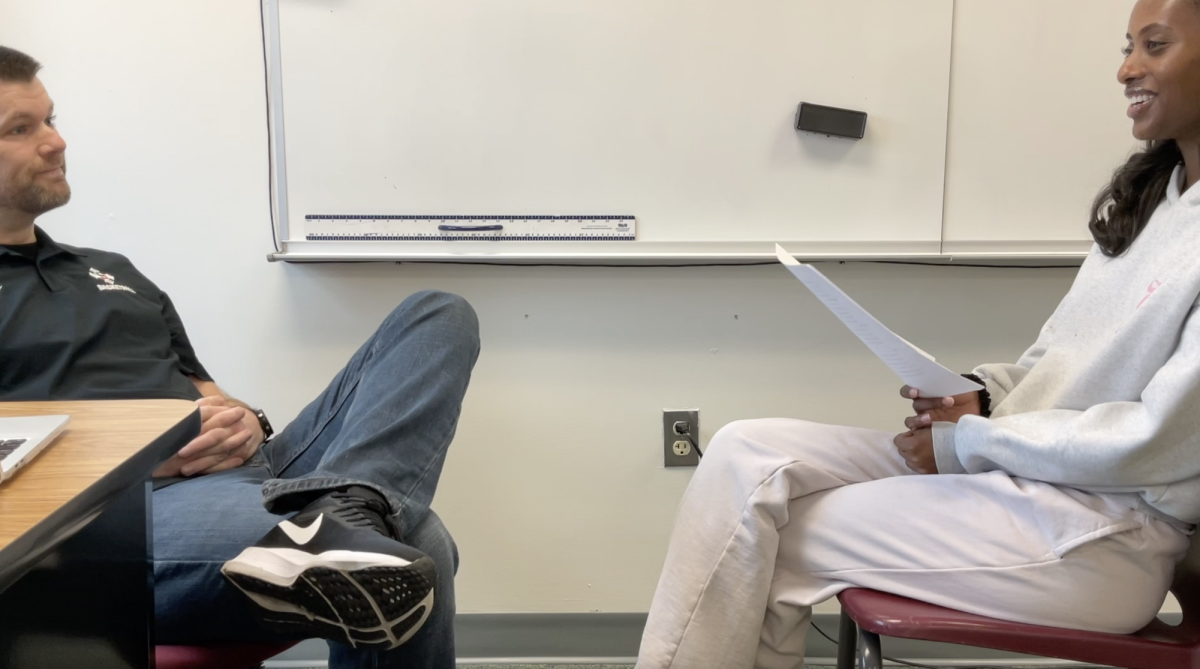





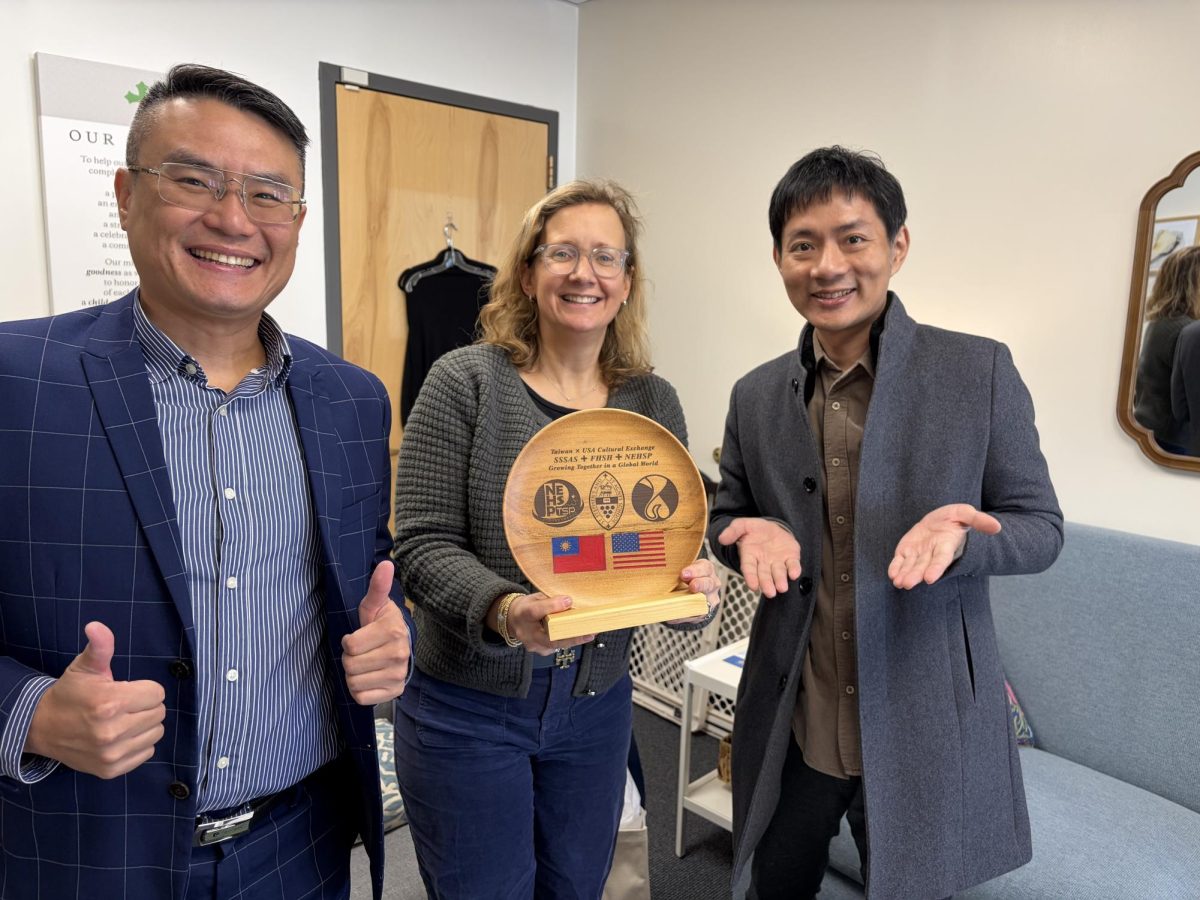
Every year, students from around the world come to visit St. Stephen’s and St. Agnes School and experience our unique culture, customs, and traditions, while we get a glimpse of students’ lives abroad. This is all possible through the Saints exchange program, where our own students and faculty welcome and host foreign exchange students. Most recently, SSSAS hosted Taiwanese students from two schools. While we have hosted Taiwanese students in the past, this year’s exchange program was quite unique due to the hazardous weather conditions that left students in their homes for the majority of the program. To learn more about this year’s and past exchange programs, we interviewed Mr. Lowinger, language teacher and lead chaperone of the Taiwanese exchange program.
Can you tell me about the exchange program and how it started originally?
“This is the third year that we have had Taiwan exchange students come to the school. This is my 12th year here, and when I started, we had less than 10 students in the entire school taking Chinese as a language. One of the things that I wanted to do when I came in here was to grow the program. One of the ways to do that was to get an exchange program going. The first few years, we actually were going to mainland China, and we did start a couple of school visits and things like that, but we never had anything like this where we had a mutual exchange…In the first year of this Taiwan Exchange, we were with a school over there called Feng Xin, and we’re still with them. But last year, we also started a partnership with a school called Ping Ke. Now the students who were just here are from two separate schools in Taiwan…and when we go over there this summer, we are also going to visit both of their schools.”
What were the most enjoyable experiences for the students?
“One thing I particularly enjoyed was the students preparing a project to interact with the Taiwanese students based on their own interests. For example, one student is a competitive ice skater and taught the exchange students how to ice skate. For most of the Taiwan students and teachers, this was really their first time seeing or experiencing snow, so they didn’t know how to ice skate. That’s what’s exciting for me to see, my students being able to use the language, teach something that’s exciting and new for them, and have them succeed at it. That was what stood out to me as probably the most memorable moment, and I think it was fun for all of them too.”
What made this particular exchange memorable or distinct?
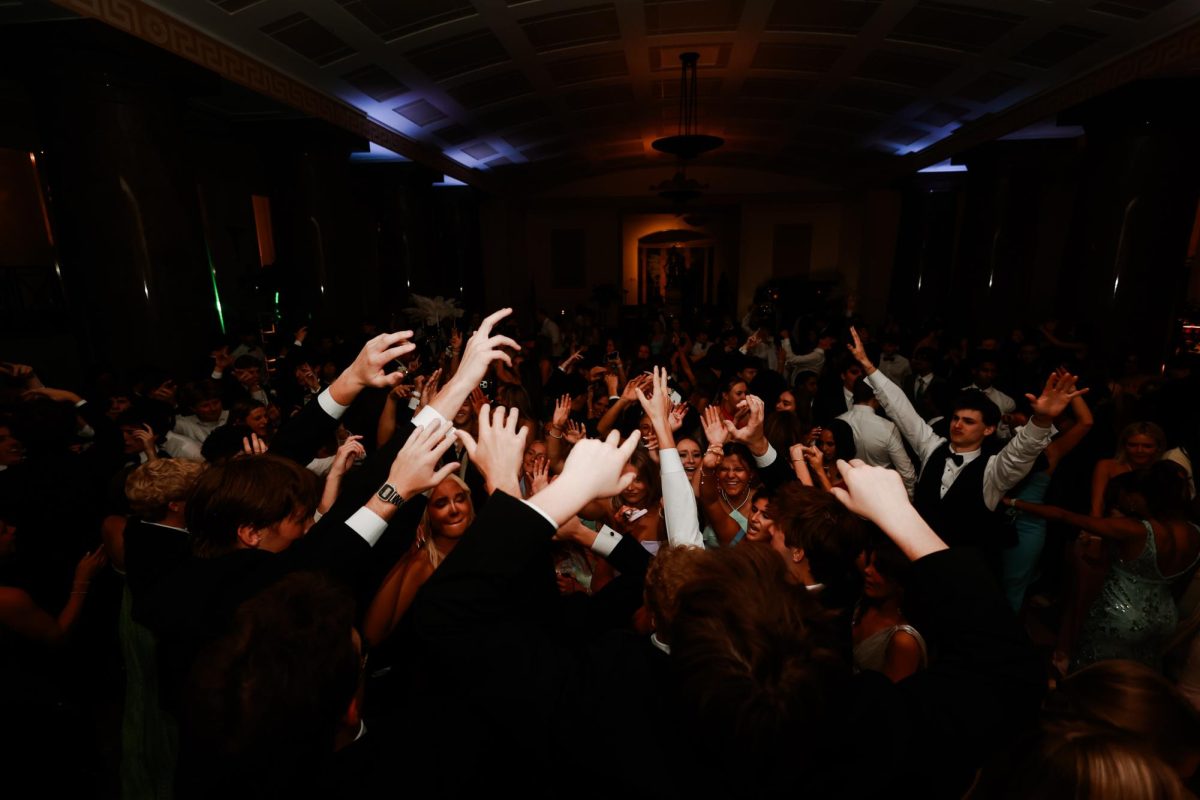
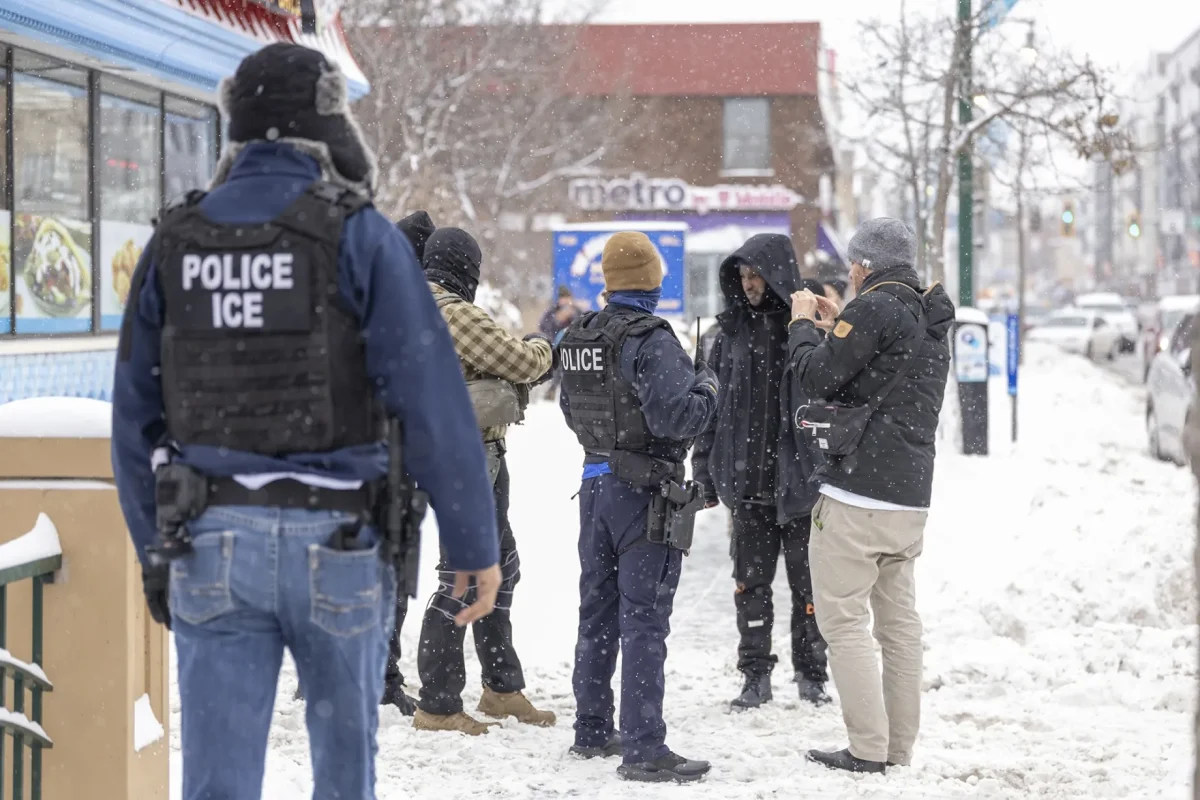
“This year, something that was really unique and challenging was the snow. When they got in on Sunday, we had to put them in the hotel instead of going directly into the homestay…I mean, every year is different. We had one year where they came to prom with us, and that was really fun. I would say every year is kind of special in its own way.”
Is there anything you’re looking to improve or change about the program?
“I’m always looking to improve things. I think the main thing I’d like to see is for the program to grow. The number of students who take Chinese at our school is less than any other language, so I’d like to see the number of students who take Chinese increase so that we have more to draw from. One of the reasons we’ve been able to repeat the trip and the program year in and year out is because we have a lot of students who keep coming back. Additionally, I’d also like to see more students who are not in the Chinese program take part in this somehow…I’m really heartened when I see a lot of teachers volunteering to take part. I remember Mr. Humphreys taught them to play football one year, Ms. Tomljanovich, who prepared a book hunt in the library, Ms. Watts, who engaged them in poetry, and Rev. Rees, who spoke to them about our school’s Episcopal identity. This is just a small sample of the teachers who have participated, and I wish I could credit each and every one here, but I’ll just add Ms. Carlson, who deserves a lot of credit, because every year she meets with them multiple times and does all kinds of improv and acting. I would like to see teachers, students, and administrators go over to Taiwan and really experience and see it for themselves because it’s such a special place. It’s a place that is dear to my heart because my mom is from Taiwan, so to be able to share that part of my culture and my background with our school community is really meaningful for me.
What would you like the SSSAS community to know about the program?
“I think that they are probably the warmest people in the world. That’s not just my opinion. There’s actual surveys out there, and people consistently rank folks from Taiwan as among the friendliest. They bring extra suitcases full of gifts for us and for our administrators. We weren’t able to this year, but we used to go to the middle school and the lower school, and they would bring gifts for everybody there, all the teachers. They’re the most hospitable people in the world, and within Taiwan, the city that they’re from, Gao Xiong, is ranked consistently as the most hospitable city in Taiwan, and Taiwan is ranked always as one of the most hospitable countries in the world. So this is not an opinion thing. I think the more people who can experience that somehow, whether that’s being in class with them, whether that’s going out at night with them, etc. I would love to see as many people as possible in our community participate in some way…”
Alongside Mr. Lowinger, we interviewed three senior hosts: Sam Brock, Janney Cooper, and Gabe Murphy about their experiences with the program. Despite the harsh weather conditions and limited time, they were able to adapt to their surroundings and have fun with their exchange buddies. Most notably, they took their exchange students to a Wizards basketball game. “Basketball isn’t a huge thing in Taiwan, so most of them hadn’t seen a professional game. It was just so fun getting to see how excited they were…” said Janney.
In addition, when asked about the most challenging part of dealing with the snowstorm, they mentioned that it wasn’t particularly challenging for them. Instead, they felt bad for the exchange students who had to stay in their homes and participate in asynchronous classes.
One interesting aspect all students mentioned was the Taiwanese students’ reaction to snow. Sam mentioned that his exchange student volunteered to shovel the ice in his driveway. Furthermore, Gabe and Janney mentioned that it was their exchange students’ first time seeing snow or being in a cold environment, and it was cool seeing their reactions.
Lastly, when asked if they would participate in the program again, all of them said they would, with Janney saying, “I think it’s a great way to form cross-cultural connections and practice the language you’re studying. So yes, I would do it again.”