
















It’s easy to forget what makes us entertained in a world of fear and panic. Blame it on the Trump administration, blame it on social media, blame it on higher education, but leaders of the past never made the polarizing choices we see right now. America’s transition out of the Coronavirus gave everyone less of a reason to have hope, and the scope that has had on popular culture is vast. In our media’s post-Covid landscape we look toward the past, thinking of times that are long gone, without answers of what to do next. This culture of reminiscence quickly becomes a recycled mess that takes something big to shake things up. Few are brave enough to challenge these new norms, so it comes surveillance more than ever after a Ronald Regan reelection. One Battle After Another loosely adapts the novel, focusing on and bringing in modern themes of immigration, family, and racism.
As difficult as it is to bring him up now, One Battle After Another’s selling point and marketing campaign centers around Leonardo DiCaprio. Playing a bumbling anxious dad whilst nailing an edgy nihilistic stoner proletariat is impressive, but should be expected from someone of DiCaprio’s qualification. What really brings everything together is the unexpected, which is found in Chase Infiniti’s debut role as Willa Ferguson. Talent discovery and career launching on such large stages is shockingly rare in Hollywood these days, especially when an actor has few ties to the industry. As triumphant as a performance of this is, it’s hard to match the on-screen presence of Sean Penn as Colonel Steven J. Lockjaw.
As the central villain of the film, Lockjaw, commanding officer of the real life Otay Mesa Immigration Detention Center, is an up-tight, teeth clenching machine. With his eyes on Bob’s wife, Perfidia, played by Teyana Taylor, the Colonel does everything he can to get with her. The two eventually meet when Perfidia and the Colonel make a protective custody agreement. Jumping 16 years later, Perfidia’s spark is what sends Lockjaw after Bob’s daughter Willa when her name resurfaces in an investigation.
Refusing to slow down even after a dense prologue full of information, nothing in today’s cinematic landscape shares the pacing of One Battle After Another. As it continues to prove more and more successful in the coming months, now one of the highest grossing original movies of the year, its speed and pace will be replicated and imitated for years. The film’s three act structure and incredible concluding car sequence in Arizona Desert State Park, are genius touches that will be littered in Hollywood’s future award winning screenplays. On a case-by-case basis, One Battle After Another’s pacing can only really be recreated in a film about America. The rate at which we consume media in the 2020s, while a product of short form content, is extremely eminent in our political landscape.
You can claim to be a centrist in our modern landscape, you can try and ignore the things going on around you, yet failure to see conflict makes us all extremely apathetic. Paul Thomas Anderson ridicules these powers and the current systems of oppression, while simultaneously giving the movements of change and freedom a platform. Maybe the first major Hollywood work to not downplay active revolutionaries, and absolutely the best representation of family on screen in a while. as no surprise that a man so connected to both realities just directed the best movie of the year.
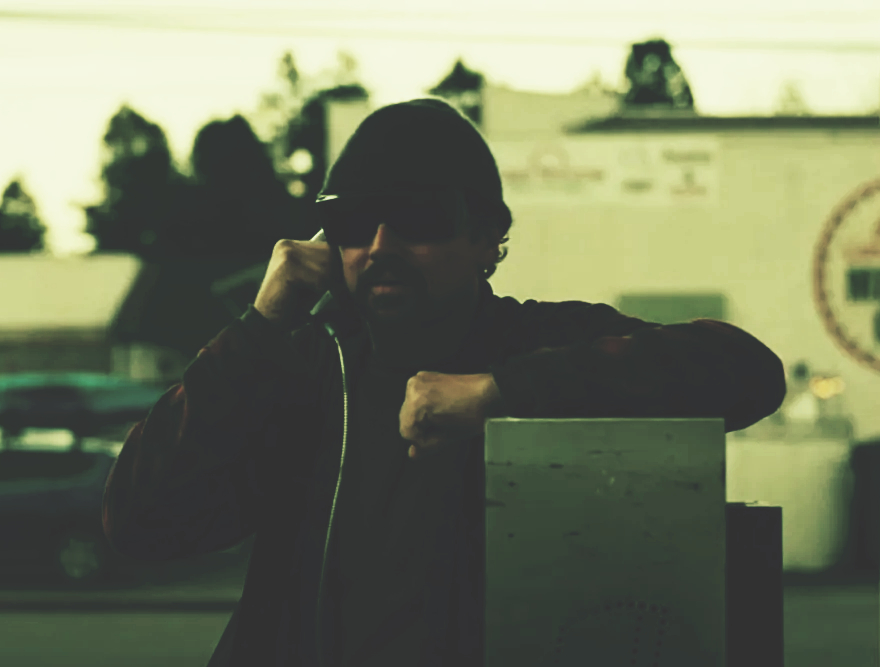
One Battle After Another, directed by Paul Thomas Anderson, tells the story of Bob Ferguson, a former political activist, who must find his daughter, Willa, after she is kidnapped by corrupt government forces. Colonel Steven J. Lockjaw (played by Sean Penn) serves as the film’s primary antagonist, disrupting Bob and Willa’s lives, and attempting furiously to separate them.
Hollywood has always delivered a complicated depiction of protest in America, glamorizing the lifestyle while satirizing and downplaying important voices. Absurd portrayal of American activists takes away from what they stand for and what they believe in. Anderson was inspired by Thomas Pynchon’s 1990 novel Vineland, which envisions America under surveillance more than ever after a Ronald Regan reelection. One Battle After Another loosely adapts the novel, focusing on and bringing in modern themes of immigration, family, and racism.
As difficult as it is to bring him up now, One Battle After Another’s selling point and marketing campaign centers around Leonardo DiCaprio. Playing a bumbling anxious dad whilst nailing an edgy nihilistic stoner proletariat is impressive, but should be expected from someone of DiCaprio’s qualification. What really brings everything together is the unexpected, which is found in Chase Infiniti’s debut role as Willa Ferguson. Talent discovery and career launching on such large stages is shockingly rare in Hollywood these days, especially when an actor has few ties to the industry. As triumphant as a performance of this is, it’s hard to match the on-screen presence of Sean Penn as Colonel Steven J. Lockjaw.
As the central villain of the film, Lockjaw, commanding officer of the real life Otay Mesa Immigration Detention Center, is an up-tight, teeth clenching machine. With his eyes on Bob’s wife, Perfidia, played by Teyana Taylor, the Colonel does everything he can to get with her. The two eventually meet when Perfidia and the Colonel make a protective custody agreement. Jumping 16 years later, Perfidia’s spark is what sends Lockjaw after Bob’s daughter Willa when her name resurfaces in an investigation.
Refusing to slow down even after a dense prologue full of information, nothing in today’s cinematic landscape shares the pacing of One Battle After Another. As it continues to prove more and more successful in the coming months, now one of the highest grossing original movies of the year, its speed and pace will be replicated and imitated for years. The film’s three act structure and incredible concluding car sequence in Arizona Desert State Park, are genius touches that will be littered in Hollywood’s future award winning screenplays. On a case-by-case basis, One Battle After Another’s pacing can only really be recreated in a film about America. The rate at which we consume media in the 2020s, while a product of short form content, is extremely eminent in our political landscape.
You can claim to be a centrist in our modern landscape, you can try and ignore the things going on around you, yet failure to see conflict makes us all extremely apathetic. Paul Thomas Anderson ridicules these powers and the current systems of oppression, while simultaneously giving the movements of change and freedom a platform. Maybe the first major Hollywood work to not downplay active revolutionaries, and absolutely the best representation of family on screen in a while.