














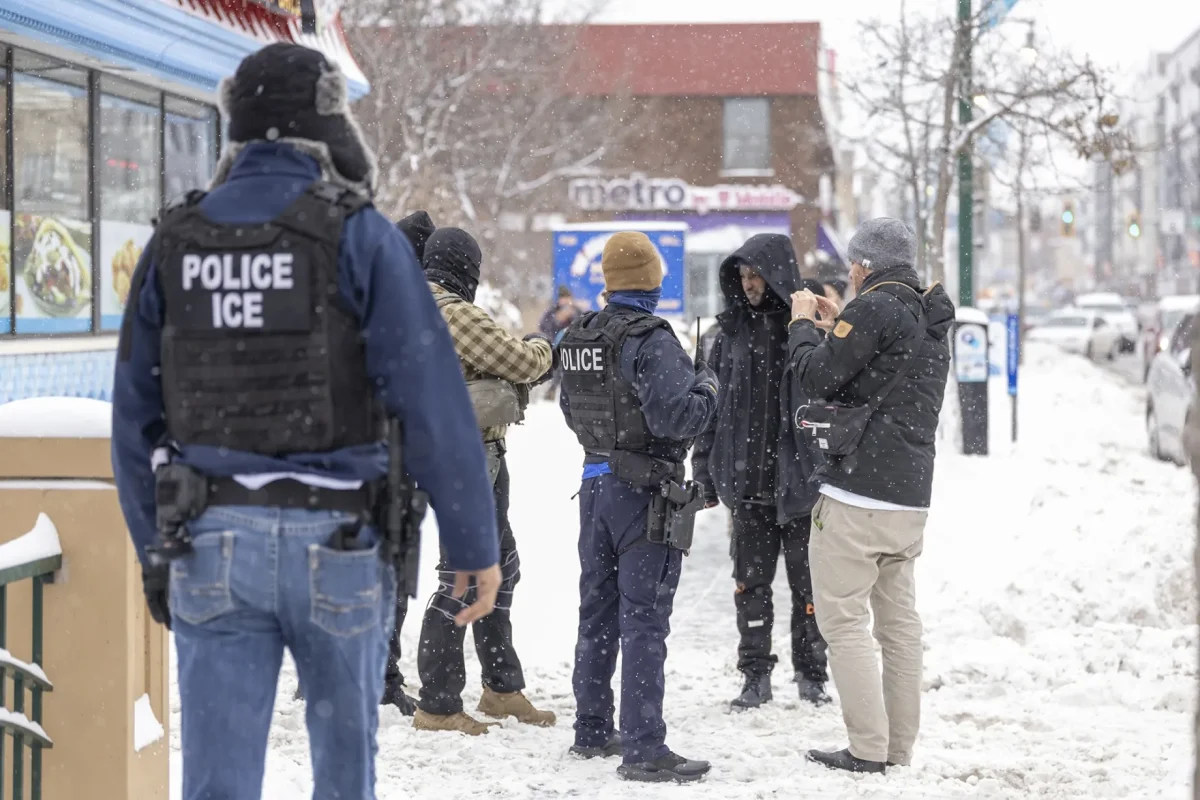
In December, the Trump administration launched “Operation Metro Surge,” which sent more than 2,700 federal agents to Minnesota, specifically in Minneapolis and Saint Paul. The goal of the operation is to arrest and deport undocumented immigrants from the region. Both cities have become home to large immigrant communities over the past few decades, and Somalian, Hispanic, Hmong, Laotian, and Ethiopian neighborhoods are being targeted. Videos of brutal arrests by ICE agents have gone viral, sparking mass protests around the country. There have been two killings of U.S , Renee Nicole Good and Alex Pretti, who were protesting immigration.
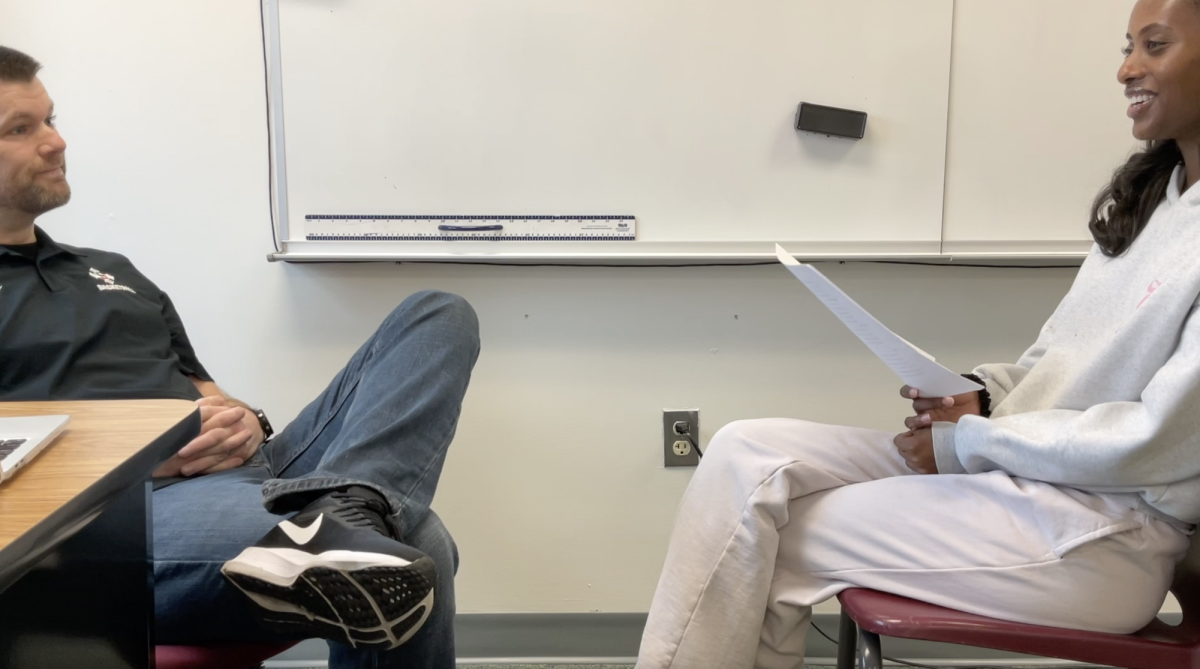
The Voice talked with a local Reverend of the Episcopal church who is heavily involved in immigration advocacy in the Alexandria area. Rev. Razzino, who hosted an informational lunch meeting on February 6, described her call to action as “feeling like her heart had been broken open.” She detailed that she was shocked and horrified by the recent news about ICE operations, and wanted to make as much of an impact as she can, living by the principle of “courage is contagious.”
Rev. Razzino explained her training in accompanying immigrants to their mandated court hearings, a job that attempts to protect people from being arrested when they show up to proceedings that are necessary to enter the country legally. She also spoke about becoming a quick responder to any sightings of ICE in the area. Rev. Razzino doesn’t just show up for these people when ICE is there however, she states that: “The more connected you are to these communities the more ways you can help”
Students who are looking to help their community during these hard times are encouraged to find easy things like advocating or going grocery shopping to provide food for families. Rev. Razzino shares “for instance, my daughter was like, I think we need to get cookies so that they can make cookies. I mean, that’s something that a 13 year old would think of more than I would think of, but it was also very sweet.” Even just small actions like providing supplies to make cookies can bring light to families during these times. Reverend Razzino also suggested writing letters to people who have been detained and calling local representatives. But she says it’s really about “How can you put yourself in a place that your heart will be changed?”
Rev. Razzino and Rev. Rees also commented on what role they think faith plays in their activism. Both stated that they believe their mission as Christians is to help everyone, citing the baptismal covenant as reason to advocate for all people. Reverend Razzino brought in her own interpretation of the Bible as well, saying, “My favorite line of scripture is in the gospel of John. Jesus says, ‘I came that they may have life and have it abundantly’. And so that’s my drive as a clergy person; that I want everyone that I’m working with to know that God came, that they have abundant life, and that’s the promise of God. [The way these people are being treated], it’s not an abundant life.”
There are reports by The New York Times of immigration officers arresting people, even on the job. Stores are closing and residents have stated that they are scared to leave their homes due to the fear of being arrested. Some children are being kept home by their families , and school districts are having to pivot to online learning for certain students.
After protests and leadership shakeups, the Trump administration announced on February 16 that they would be scaling back the operation. Gregory Bovino, who drew criticism for his conduct while in charge of the operation was ousted on January 26 and blocked from his social media accounts by the administration.
One of the largest protests in Minnesota was the nationwide general strike on January 30. The idea of this movement was to shut down daily life for a day in order to draw attention to the discontent felt by the population. Businesses shut down in solidarity and some students walked out of school. Some Alexandria businesses closed to observe this day as well.
Rev. Razzino encourages students to put themselves out there if they want to get involved, saying: “Just letting yourself see that and being part of people, that’s not political at all. That’s about finding peace within yourself, deciding on that peace and deciding to allow your heart to be broken open.”