























On November 1st, the termination of the Supplemental Nutrition Assistance Program (SNAP) forced food pantries across the country to provide extra support for people in need with significantly limited resources.
The US Department of Agriculture defines SNAP as a federal program that “provides food benefits to low-income families to supplement their grocery budget so they can afford the nutritious food essential to health and well-being.”
According to the Virginia Department of Social Services, as of 2025, 8% of Virginians struggle with food insecurity. Different factors affect people’s likelihood of being food insecure. The Washington Post noted that people living in rural areas and lacking transportation to access food, minority households, those with lower incomes, and single-adult households are typically most at risk.
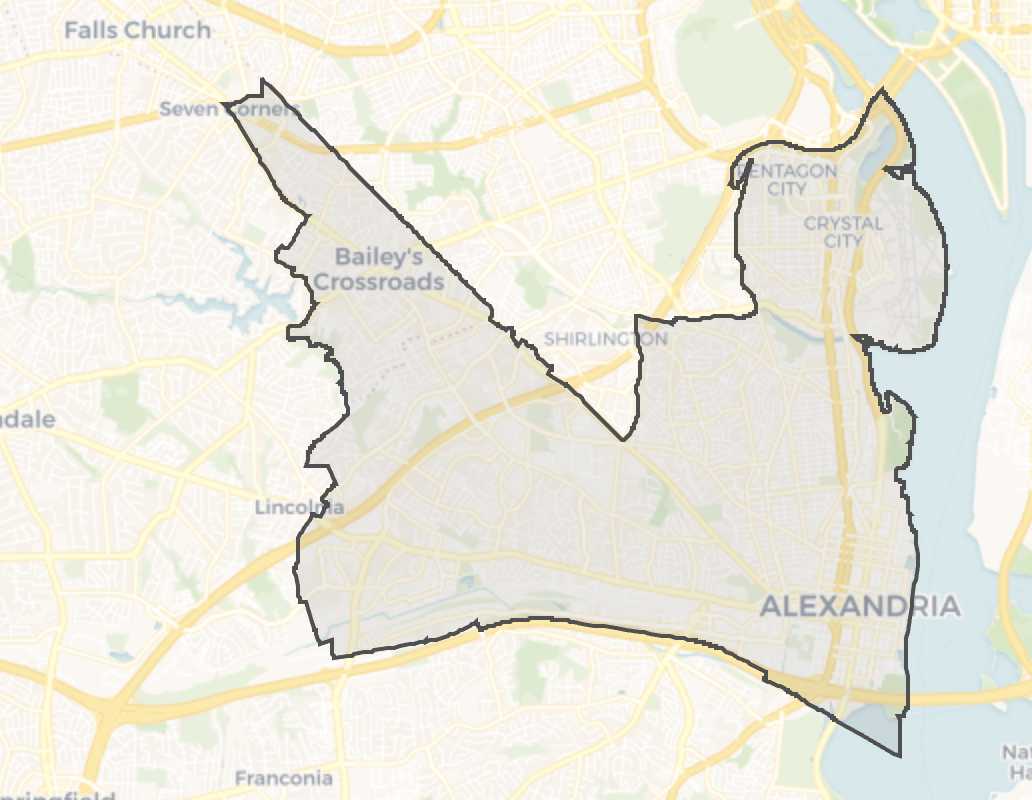
Recently, the Capital Area Foodbank, an organization based in the DC metro area, partnered with the National Opinion Research Center and released its annual “Hunger Report” of the DC metro area. This report found that in the broader DC metro area, food insecurity affects roughly 1 in 3 people.
Notably, Alexandria City decreased from 36% of respondents struggling with food insecurity to 32%, but the rest of the area remains at 36% of households facing food insecurity. However, all other counties surveyed maintained a percentage of roughly 35%.
ALIVE, a nonprofit organization based in Alexandria, combatted the challenge of supplying food for those in need despite its limitations. Communications Associate Grace Terlinden shared on behalf of the organization, “Food programs are adapting with determination and creativity as policies and priorities shift. Our commitment remains the same: to ensure families have access to nutritious food and compassionate support to the best of our abilities. We’re working closely with partners and communities to navigate changes and continue meeting growing needs with dignity and care. And we are here for anyone seeking help.”
For many members of the SSSAS community, learning about food insecurity creates a momentary pause, only to go back to the rest of the day with little concern. But for so many people, this news means going hungry. This does not mean skipping one meal because of a lack of time; this means not eating for a while, with no knowledge of when the next meal is. This is not just a minor inconvenience for people, this is being deprived of a necessity to live: food.
There are many ways to help the community past SSSAS. Whether it’s joining a service club, or participating in school-wide activities like food drives.
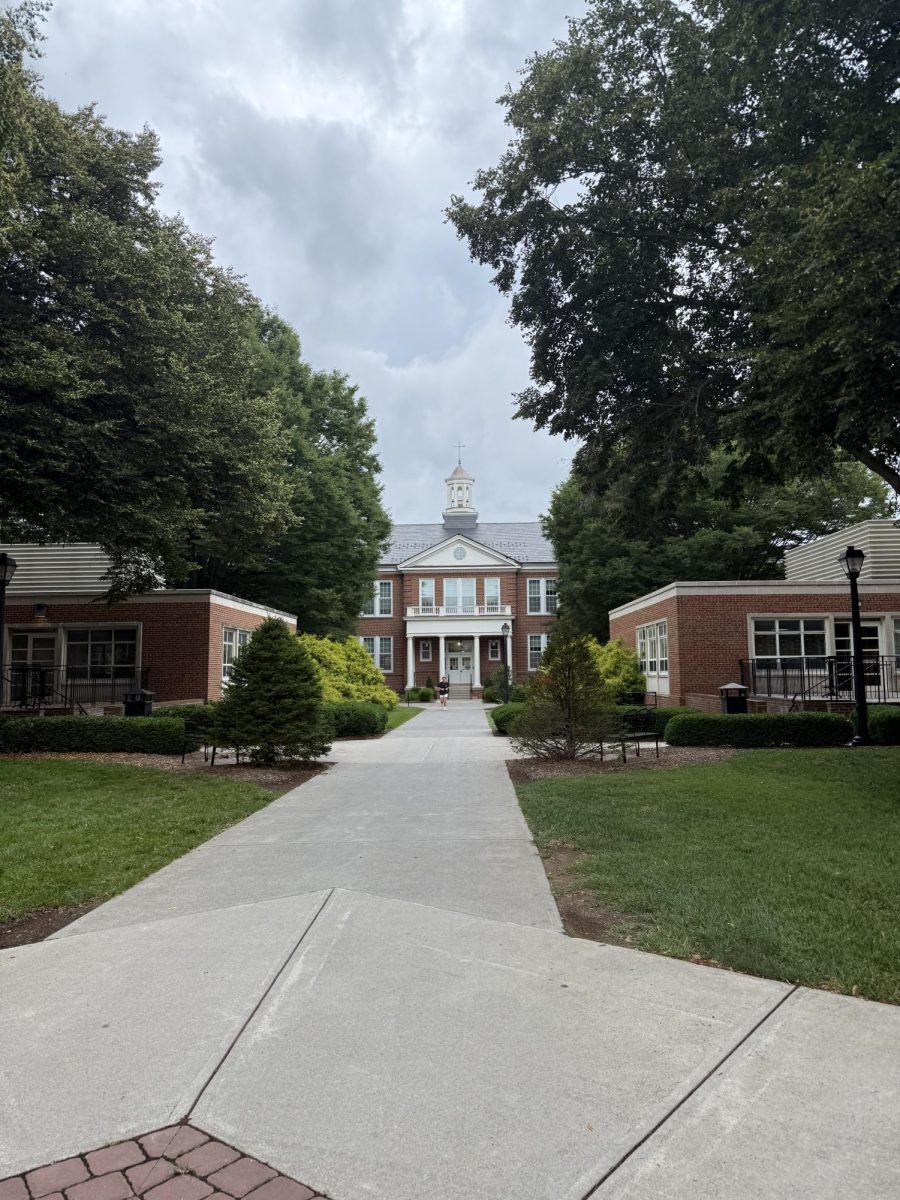
This past November, Junior Willa Johnson organized a school-wide donation run by the club “Learn and Lend a Helping Hand” for ALIVE and Grace Episcopal Food Pantry. Willa shared, “I was interested in organizing the donation, after having a discussion with my club about how the school could be donating more to the food drive. I coordinated with Mr. Yee and Ms. McGuire through email, and then eventually had an in-person meeting with Ms. McGuire on the Wednesday before the event.”
Students were even given incentive to bring in donations, as in return they were permitted to dress down for the day. “The community really responded well to the dress-down initiative,” said Willa.
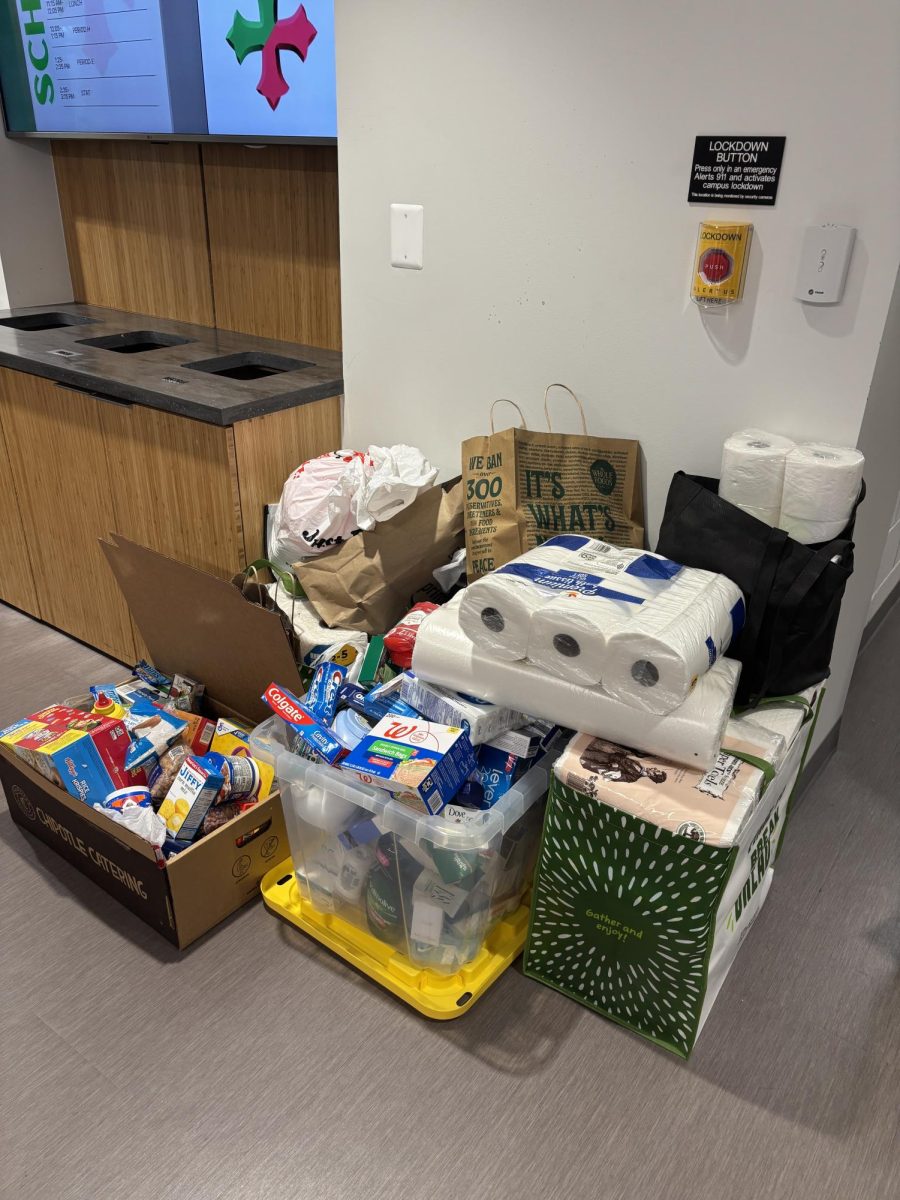
Later that morning students would walk by the front lobby to see boxes of food going to people in need.
Willa said “Not only did almost everyone donate at least one thing, the majority of the donations included multiple bags of items from every category in the lists that were sent out. I was expecting a reasonable amount of donations, but the community exceeded my expectations, and I even had to grab a bunch of extra bins for the amount of items we received.”
Food Insecurity is a continuous issue that will always need attention in our community. It’s important to help those in need, so never hesitate to give your time, food, or hands to help out.