














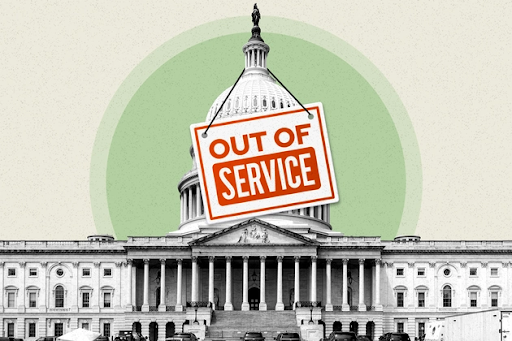
On October 1, 2025, U.S. citizens awoke to the news that the government had ground to a halt. A government shutdown occurs when Congress is unable to decide which departments to fund. The current government shutdown was caused by a budget dispute between Republican and Democratic congresspeople over whether or not they should cut down or continue the Affordable Care Act (Obamacare). The tax credits from the Affordable Care Act have made health insurance more affordable and are set to expire at the end of December. The BBC states that if this happens, millions of Americans would face higher out-of-pocket costs for healthcare, and millions would become uninsured. Democratic members of Congress have been pushing to extend the tax credits to vote to reopen the government, while Republican members of Congress have continued to refuse to extend them.
In order to pass the new budget in the Senate, a 60-vote majority is needed, something that the Democrats are preventing with their dissenting votes. Because of this, Donald Trump and his allies have placed the blame for the shutdown on the Democratic Party. On the official White House website, there is a timer fashioned in the likeness of a digital clock, counting up the minutes, hours, and days since the shutdown began. Underneath, in bold white letters, read the words: “Democrats have shut down the government.” This dispute has led to 800,000 federal workers working without pay or not working at all. Only “essential” workers like border protection and law enforcement staff are working as usual, while government workers are seen as “non-essential” and are put on unpaid leave.
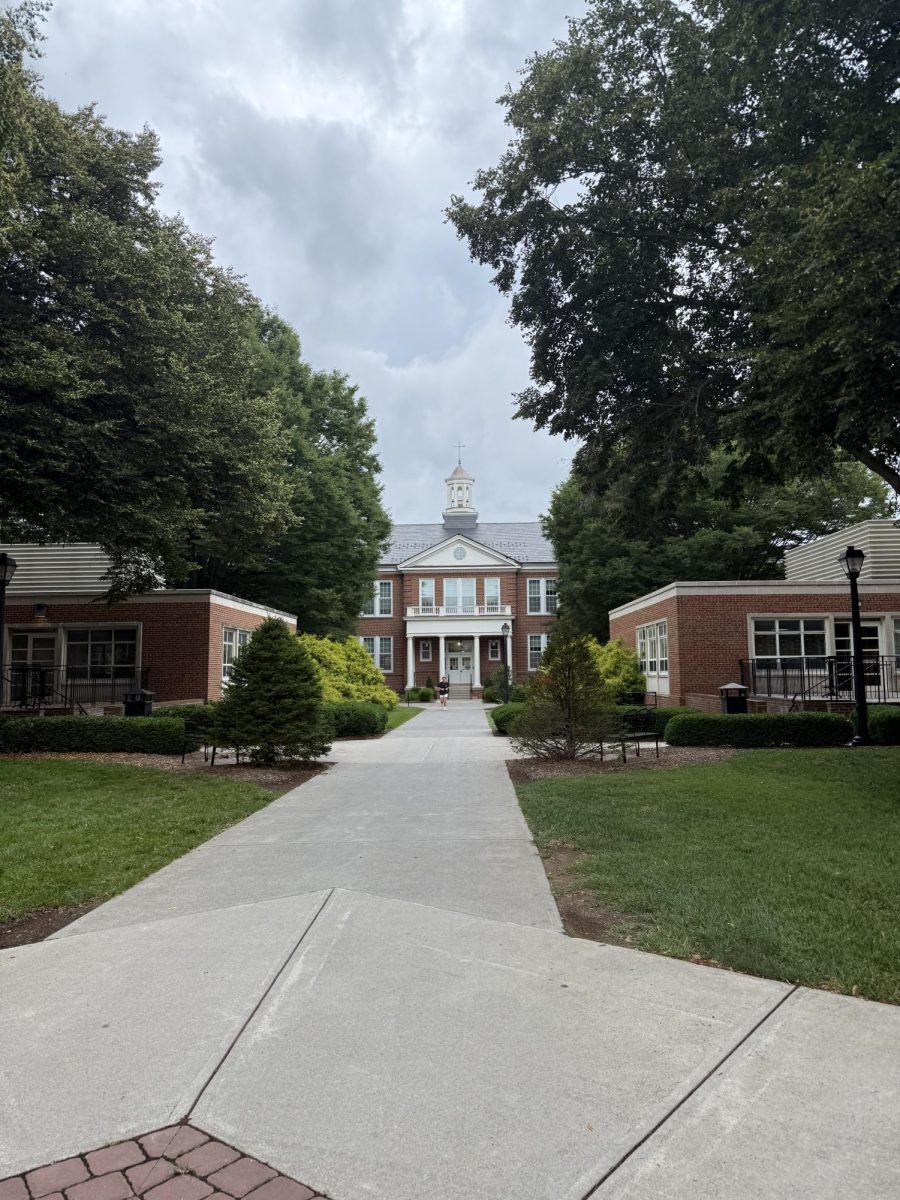
Natalie McKeon, a current freshman at SSSAS, has been affected heavily by the current government shutdown because both her parents work in government and both are currently not being paid. Her mom works in the Pentagon, and her father works in the Department of Homeland Security. Both parents are seen as “essential” workers but are working without pay. She says, “This has put stress on my family, because both of my parents aren’t getting paid, and they both still have to work, and I just don’t think it’s fair.”
The government shutdown shows its impact on multiple federal organizations. The Centers for Disease Control and Prevention and the National Institutes of Health are on unpaid leave, causing a halt in ongoing studies. Important research and innovation in the health sector will be delayed or halted. Along with these important research institutions, the Smithsonian closed its doors on Sunday, October 12. This group of museums around D.C includes the National Zoo and the Museum of American History, popular spots for tourists and locals alike. The ramifications of the shutdown have extended beyond what is traditionally seen as the ‘government sector.’ Students at SSSAS have expressed their disappointment in the cancellation of field trips to museums, especially in art and history courses.
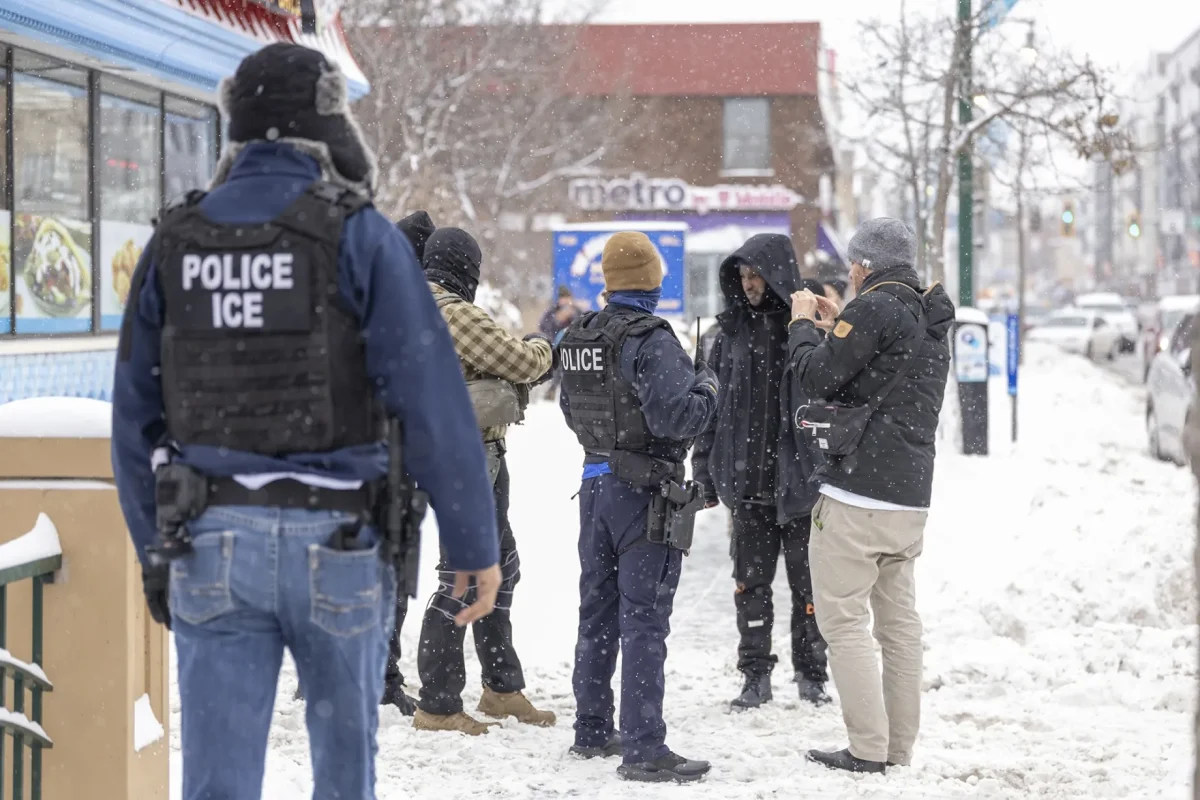
While these organizations have come to a standstill, other areas of the government are still receiving funding. Perhaps the most notable of these departments that have been deemed essential is Immigration and Customs Enforcement. ICE has been the subject of much controversy in the first months of the new administration, with many cities, such as LA, hosting protests against its practices.
The New York Times has reported that the Trump Administration has halted 28 billion dollars in funding for Democratic congressional districts and projects in Democratic-led cities and states, most notably New York and California, during the shutdown in an attempt to pressure Democrats into voting to reopen the government. These attempts have not been successful in changing the Democratic members of Congress’s stance.
The last shutdown took place in 2018 over disputes related to immigration. This shutdown was the longest in U.S. history, lasting 35 days. According to an ongoing article written by the BBC, in those 35 days, the Gross Domestic Product in the U.S. was reduced by 11 billion dollars. In the future, the current shutdown could have a lasting impact. The shutdown could lead to a decrease in GDP, seeing that every week it continues, the lack of government activity subtracts 0.1% from the nation’s gross domestic product.
Ruby Carnahan, a sophomore at SSSAS, says, “[I think] people will get clarity [from the shutdown] on how idiotic our government is.” When asked when she thought the government shutdown would end, she says, “When Democrats say, ‘Hey, this is bulls**t.’”
Another sophomore at SSSAS, Jed Friedman, invests in stocks. In an interview with Jed, he stresses that “The stock market is all over the place,” and that the best term to describe it would be “Kangaroo market.” He says that to some extent, the government shutdown was a good move because the government needed to figure out how to manage its debt and budget. However, he does recognize that they could’ve planned it better to estimate the time it would be shut down for.
Natalie stated that the government shutdown “Could last until the new year, but hopefully [is] shorter.”
As of right now, the Senate continues to vote and continues to not be able to reach a resolution to reopen the government. Thousands of “non-essential” workers will continue to be out of work, and important government organizations will continue to be halted until the shutdown ends